In Australia’s agricultural heartlands, HD baling twine plays a pivotal role in ensuring the efficiency and reliability of farm operations. Known for its exceptional strength and durability, HD (high-density) baling twine is a critical component in the process of baling hay and straw, crucial for preserving the quality of feed for livestock and ensuring successful harvests for farmers across the country. For more information about the HD baling twine, click here.
Importance of HD Baling Twine
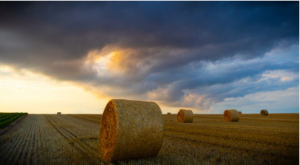 HD baling twine is specifically designed to withstand the demanding conditions of agricultural baling. It is made from high-density polyethylene (HDPE), a material chosen for its robustness and resistance to wear and tear. This twine is engineered to endure the pressures of tightly compacted bales, ensuring that farmers can secure their crops effectively without risking breakage or deterioration during storage and transport.
Durability in Australian Conditions
Australia’s diverse climate poses unique challenges to farmers, from scorching summers to wet and humid conditions. HD baling twine excels in these environments due to its UV resistance, which prevents degradation from prolonged exposure to sunlight. This feature is particularly crucial in Australia, where intense sunlight can quickly weaken traditional materials, leading to premature failure and potential losses for farmers.
Advantages Over Conventional Twine
Compared to conventional baling twine, HD twine offers significant advantages. Its superior strength allows for tighter and more secure baling, reducing the risk of bale breakage and spoilage. This reliability translates into cost savings for farmers, as fewer damaged bales mean less wasted feed and higher overall efficiency in the harvesting process. For more information about the HD baling twine, click here.
Sustainability and Environmental Impact
Beyond its functional benefits, HD baling twine also contributes to sustainability efforts in agriculture. Its durability ensures that fewer bales are lost to damage or weathering, reducing the need for re-baling and minimising waste. Additionally, the use of HDPE in baling twine supports recycling efforts, as HDPE is a highly recyclable material that can be repurposed into various products after its primary use.
Choosing the Right HD Baling Twine
Selecting the proper HD baling twine is essential for maximising efficiency and minimising costs on the farm. Farmers should consider factors such as twine diameter, tensile strength, and UV resistance when making their selection. Thicker twines generally offer greater strength but may be more challenging to work with, depending on the equipment used. Conversely, thinner twines can be more manageable but may sacrifice some strength under extreme conditions.
Future Trends and Innovations
As technology continues to advance, so too does the innovation in baling twine materials. Manufacturers are constantly researching and developing new formulations to enhance the performance of HD baling twine further. Future trends may include twines with improved biodegradability or enhanced resistance to specific environmental factors, catering to the evolving needs of Australian farmers.
The Environmental Benefits of HD Baling Twine
In addition to its robust performance in agricultural applications, HD baling twine offers significant environmental benefits that resonate with today’s sustainability goals. Made from high-density polyethylene (HDPE), HD baling twine is inherently recyclable, contributing to the circular economy by being repurposed into various plastic products after its initial use. This recyclability reduces waste in landfills and minimises the environmental footprint of agricultural operations. For more information about the HD baling twine, click here.
Moreover, HD baling twine’s durability plays a pivotal role in reducing the overall carbon footprint of farming activities. By minimising the need for re-baling and preventing bale deterioration, farmers can optimise their storage and transport processes, thereby conserving energy and resources that would otherwise be expended in handling damaged bales.
Conclusion:
HD baling twine stands as a testament to innovation and reliability in Australian agriculture. Its strength, durability, and resistance to environmental factors make it an indispensable tool for farmers striving to maximise efficiency and minimise waste in their operations. As the agricultural sector continues to evolve, HD baling twine remains a cornerstone of modern farming practices, ensuring that crops are harvested, stored, and transported with the utmost care and efficiency. HD baling twine: Strength, durability, and sustainability for Australian farmers.